Should You Choose a Gentle or Deep Massage After a Long Day at Work?
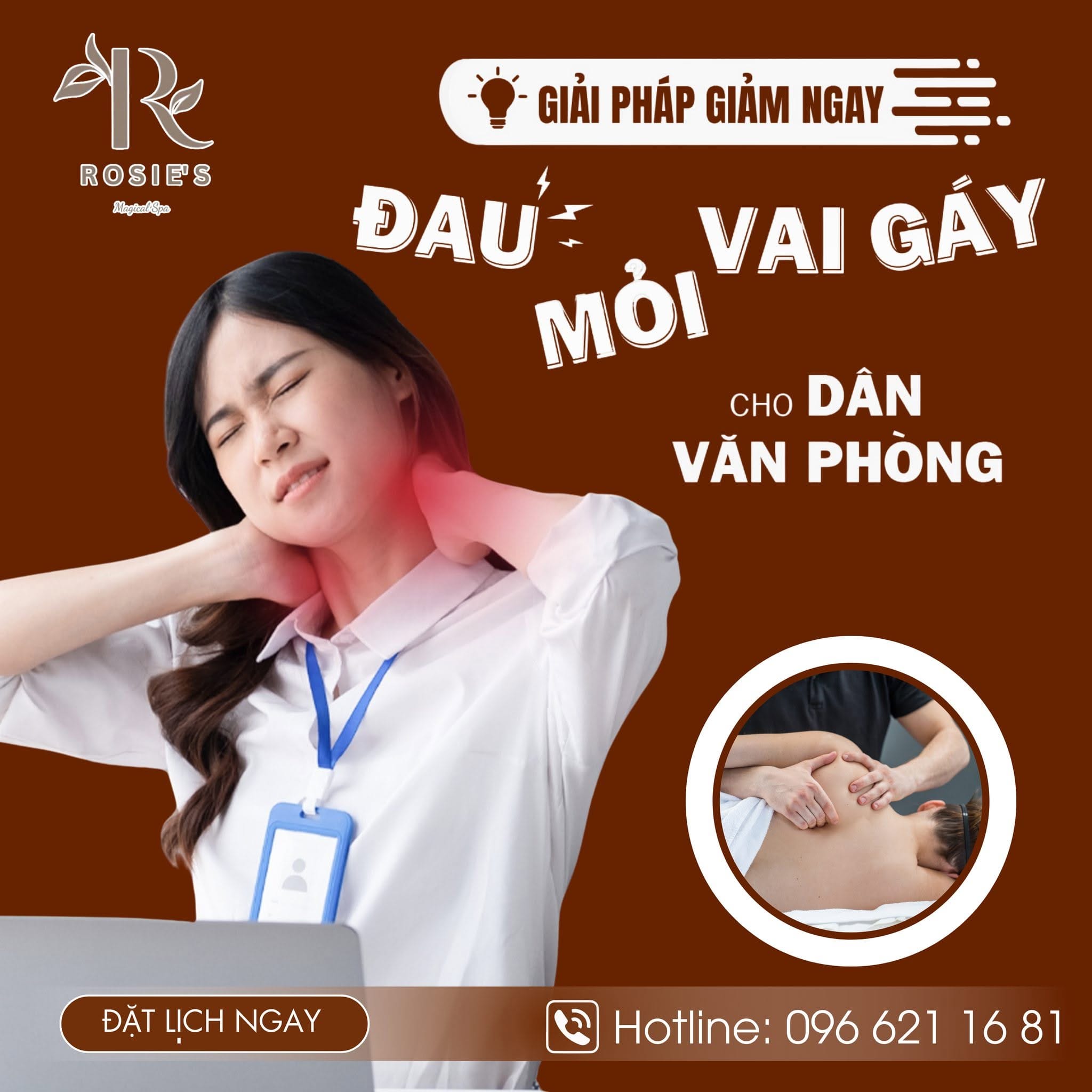
After many hours of work, your body may begin to feel heavy, with tense shoulders, a sore back, tired legs, or general discomfort when moving. At such times, massage is one of the options many people consider to help them relax. However, feeling tired does not necessarily mean that you need a massage with strong pressure. Some people benefit more from gentle movements, while others prefer to focus on areas where their muscles feel particularly tense. So, is a gentle massage or a deep massage the better choice after a long day? At Rosie’s Magical Spa – Spa in Hanoi, understanding your body’s needs can help you choose a massage experience that suits you best.
Why Does Your Body Often Feel Tired After a Long Day at Work?
Fatigue does not always have the same underlying cause. People who spend hours sitting in front of a computer may experience tension in their neck, shoulders, and upper back due to maintaining the same posture for extended periods. Meanwhile, those who stand, walk, or perform physical tasks throughout the day may experience heavy legs, tired calves, and difficulty relaxing when they return home.
In addition to physical activity, work-related stress and insufficient sleep can also make it harder for the body to transition into a state of rest. You may not experience noticeable pain in any particular area but still feel sluggish, uncomfortable, and in need of some time to take care of yourself.
Therefore, before choosing a massage, consider what you need most: relaxation after a stressful day, relief from muscle tension in a specific area, or simply a chance to rest in a peaceful environment. Different needs call for different approaches.
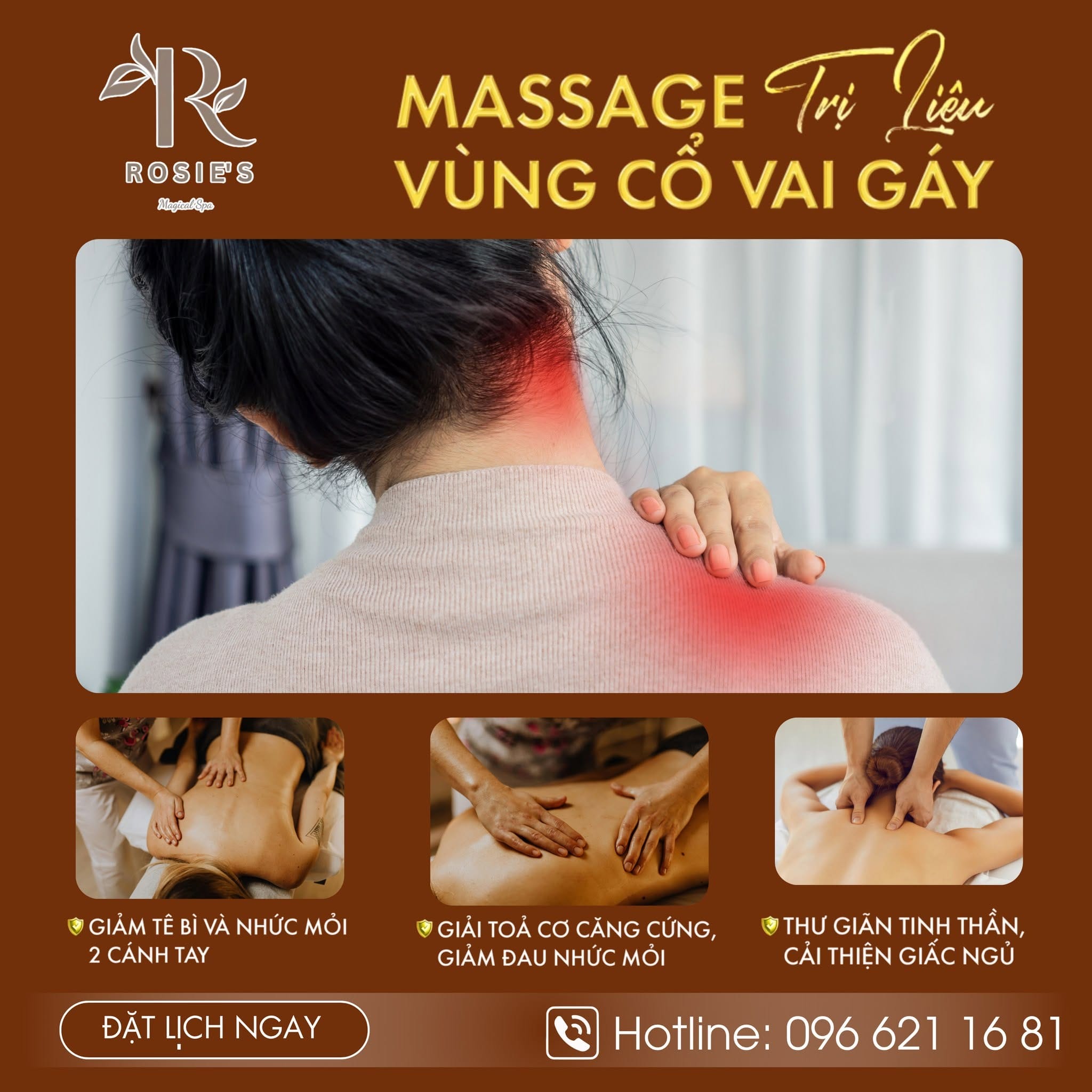
Body Often Feel Tired After a Long Day at Work
Gentle Massage
Gentle massage typically involves light stroking, rubbing, and kneading movements with moderate pressure to create a comfortable experience throughout the session. This approach is suitable for people who want to unwind, ease everyday tension, or are not yet familiar with massage.
You may consider a gentle massage in the following situations:
- Physical fatigue after work: You want time to rest rather than place additional pressure on your muscles.
- Mental stress: A peaceful environment combined with gentle massage movements may help you feel more relaxed.
- Limited massage experience: If this is your first massage, gentle pressure can make the experience more comfortable and allow you to communicate your preferences more easily.
- No noticeably tense muscle areas: You want to enjoy full-body care without focusing too heavily on any particular area.
It is worth noting that a gentle massage is not necessarily less effective. When relaxation is your main goal, a treatment that uses suitable pressure and feels comfortable may meet your needs better than one that involves unnecessarily strong movements.
Deep Massage
Unlike gentle massage, deep massage focuses more on deeper layers of tissue and muscle groups, often using firmer pressure or deeper kneading techniques. It may be considered when you frequently experience muscle tightness in certain areas and want to focus on those specific regions.
For example, people who work at computers may want to focus on their shoulders and upper back, while those who engage in frequent physical activity may be more concerned about the muscles in their legs. However, deep massage is not necessarily the right choice for everyone experiencing these issues.
Before your session, discuss any areas of discomfort, your preferred pressure level, and relevant health concerns with your massage therapist. If you experience sharp pain, numbness, or increasing discomfort during the massage, ask the therapist to stop or reduce the pressure. Deep massage should never be viewed as a treatment where more pain means better results.
In particular, if you have an injury, swelling, inflammation, persistent pain of unknown origin, or an underlying medical condition that requires special attention, consult a healthcare professional before choosing a massage technique that involves strong pressure.
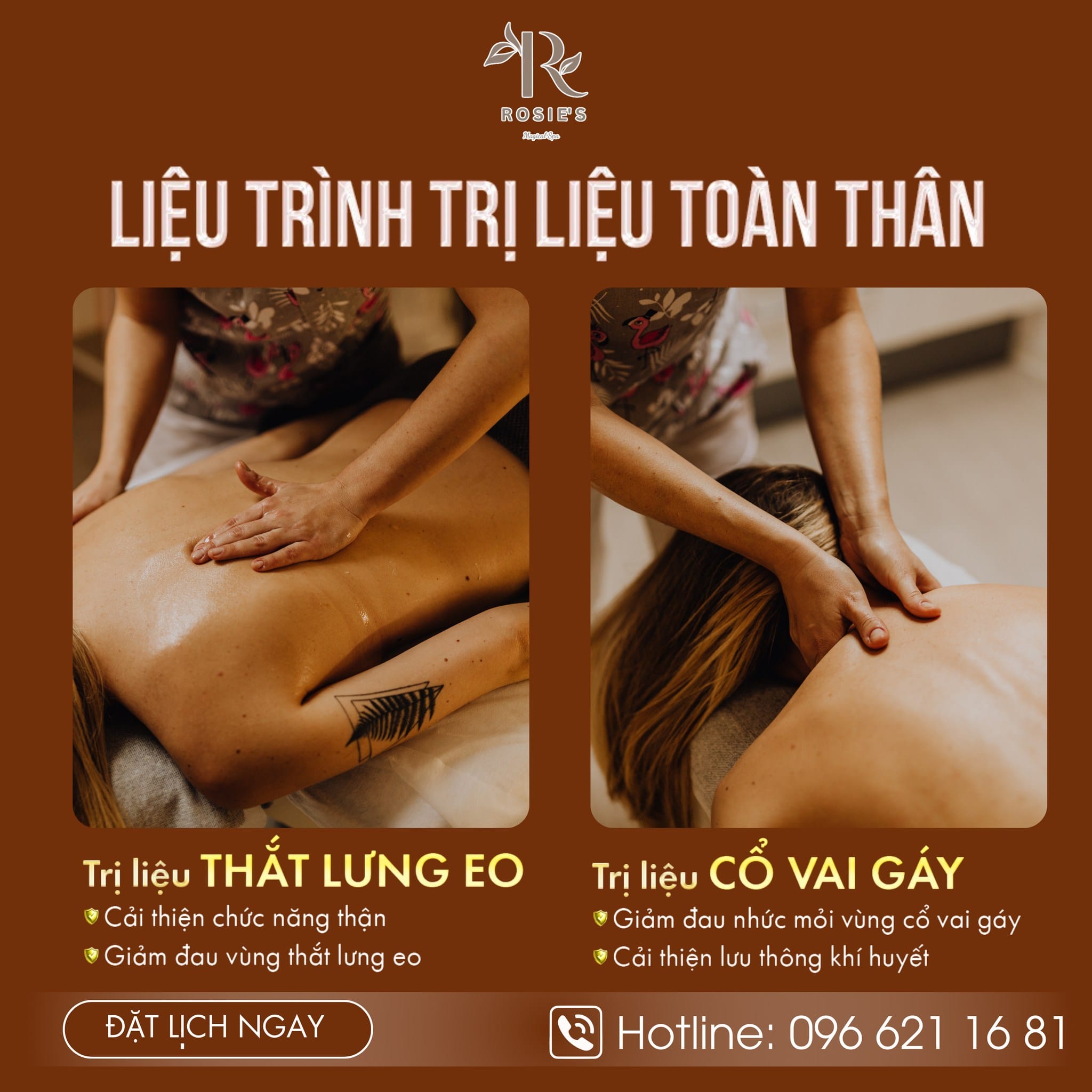
Deep massage at Rosie’s Magical Spa
Comparing Gentle Massage and Deep Massage
To help you make an informed choice, consider the differences between these two approaches below.
| Criteria | Gentle Massage | Deep Massage |
|---|---|---|
| Main purpose | Promotes relaxation and comfort | Focuses on areas of muscle tension |
| Sensation | Gentle, with minimal pressure | More noticeable pressure; may feel slightly uncomfortable but should not cause significant pain |
| Coverage | Generally suitable for full-body relaxation | Can focus on specific muscle groups |
| Who may consider it | People seeking relaxation or trying massage for the first time | People who want to address muscle tightness and have no relevant contraindications |
| Important considerations | Adjust the pressure to avoid discomfort | Discuss pressure, physical condition, and personal tolerance beforehand |
The comparison above is intended as a general guide, as each person’s needs and experiences may differ. You do not necessarily have to choose only one approach for the entire session. Depending on the services and techniques available, your massage therapist may adjust the pressure for different muscle groups after discussing your preferences.
Choosing a Massage Based on How Your Body Feels After Work
Rather than assuming that greater fatigue requires stronger massage pressure, start by paying attention to how your body feels.
- If you feel physically and mentally exhausted, prioritize a gentle experience that allows your body to rest. A full-body massage with moderate pressure may be more suitable than deep kneading across multiple areas.
- If you sit for long periods and experience tension in your shoulders and upper back, discuss a treatment that focuses on these areas. Strong pressure across the entire body is not necessary; the key is to use appropriate techniques while keeping you comfortable throughout the session.
- If you spend much of the day standing or walking, a leg massage may be worth considering when your legs feel heavy or tired. Let your therapist know if you have any painful, swollen, or sensitive areas so they can advise you appropriately rather than applying strong pressure directly to the affected area.
- If you are unsure which pressure level suits you, start with light to moderate pressure and communicate with your therapist throughout the session. Adjusting the treatment based on your actual response is often more helpful than choosing a service based solely on its name or intensity.
Enjoy a Massage at Rosie’s Magical Spa: Choose What Suits You, Not Simply Stronger Pressure
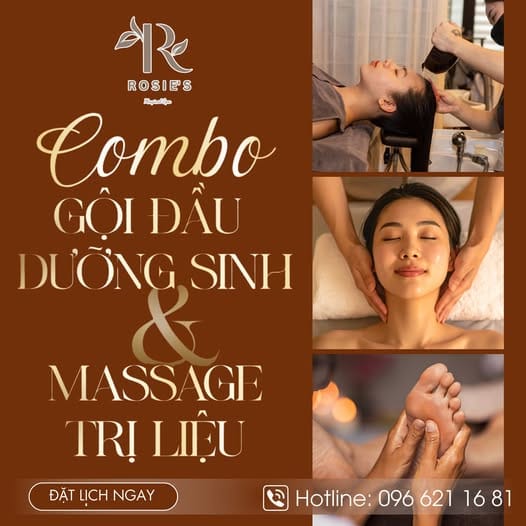
Massage and Scalp Therapy Shampoo Combo at Rosie’s Magical Spa
A suitable massage experience depends not only on technique but also on choosing a service that matches your current needs. At Rosie’s Magical Spa, you can consider full-body relaxation, back care, or leg massage according to the spa’s actual service offerings.
Before your session begins, tell your therapist about your working hours, the areas where you feel tired or tense, and your preferred pressure level. If you spend a lot of time working at a computer and experience discomfort around your neck and shoulders, explain this clearly. If you have spent the day walking extensively, let your therapist know whether you would prefer to focus on your legs or enjoy a full-body relaxation session.
You should also speak up immediately if the pressure feels too strong or is not comfortable enough. There is no need to endure pain to make the massage seem more effective. A good treatment should respect your body’s limits while adapting to your individual preferences and sensations.
If you plan to have a massage after work, consider setting aside some additional time to rest, drinking water, and avoiding an overly packed schedule immediately afterward. These simple steps can help make relaxation a more practical part of your self-care routine.
Don’t Wait Until You’re Completely Exhausted to Take Care of Your Body
Neither gentle massage nor deep massage is the right choice for everyone. If your main goal is to relax after a stressful working day, a gentle massage may meet your needs well. If you want to focus on areas of muscle tension, deep massage may be worth considering when appropriate for your health and performed correctly.
The most important thing is to understand what your body needs, communicate clearly with your massage therapist, and never treat pain as a measure of massage quality. For those looking for a chance to unwind after work, Rosie’s Magical Spa – Spa in Hanoi is a place worth considering when exploring suitable massage services. Start by identifying your actual needs so that every massage session can become a comfortable and responsible part of your approach to personal well-being.
——————–
𝐑𝐨𝐬𝐢𝐞’𝐬 𝐌𝐚𝐠𝐢𝐜𝐚𝐥 𝐒𝐩𝐚
📍 56 Hang Hom Street, Hoan Kiem District, Hanoi, Vietnam
📅 Book now to secure your preferred appointment time.
📲 WhatsApp: +84 96 621 16 81
More related articles
Why Is a Gentle Massage Sometimes Better Than a Strong One?
Massage is a popular way to relax after busy workdays, long trips, or hours of continuous movement. However, a stronger massage does not always provide a more pleasant experience. On some days, the body may simply need gentle, slow movements to unwind rather than intense pressure on areas that feel tense. This is particularly true…
READ MORE
What Is the Difference Between Hot Stone Massage, Thai Massage, and Aromatherapy Massage?
Hot Stone Massage, Thai Massage, and Aromatherapy Massage are three popular choices for travelers looking to relax in Hanoi, but each offers a different experience. While Thai Massage focuses on pressure and stretching, Aromatherapy Massage uses gentle movements and relaxing oils, and Hot Stone Massage combines massage techniques with the soothing warmth of heated stones.…
READ MORE
Why Foot Massage Is About Much More Than Just the Soles
When foot massage is mentioned, many people immediately think of applying pressure to the soles of the feet. While this area receives a lot of attention in standard care, a complete foot care routine does not necessarily revolve solely around the soles. The feet, heels, ankles, and calves all work together during standing, walking, and…
READ MORE