Why Are Proper Massage Directions and Pressure So Important?
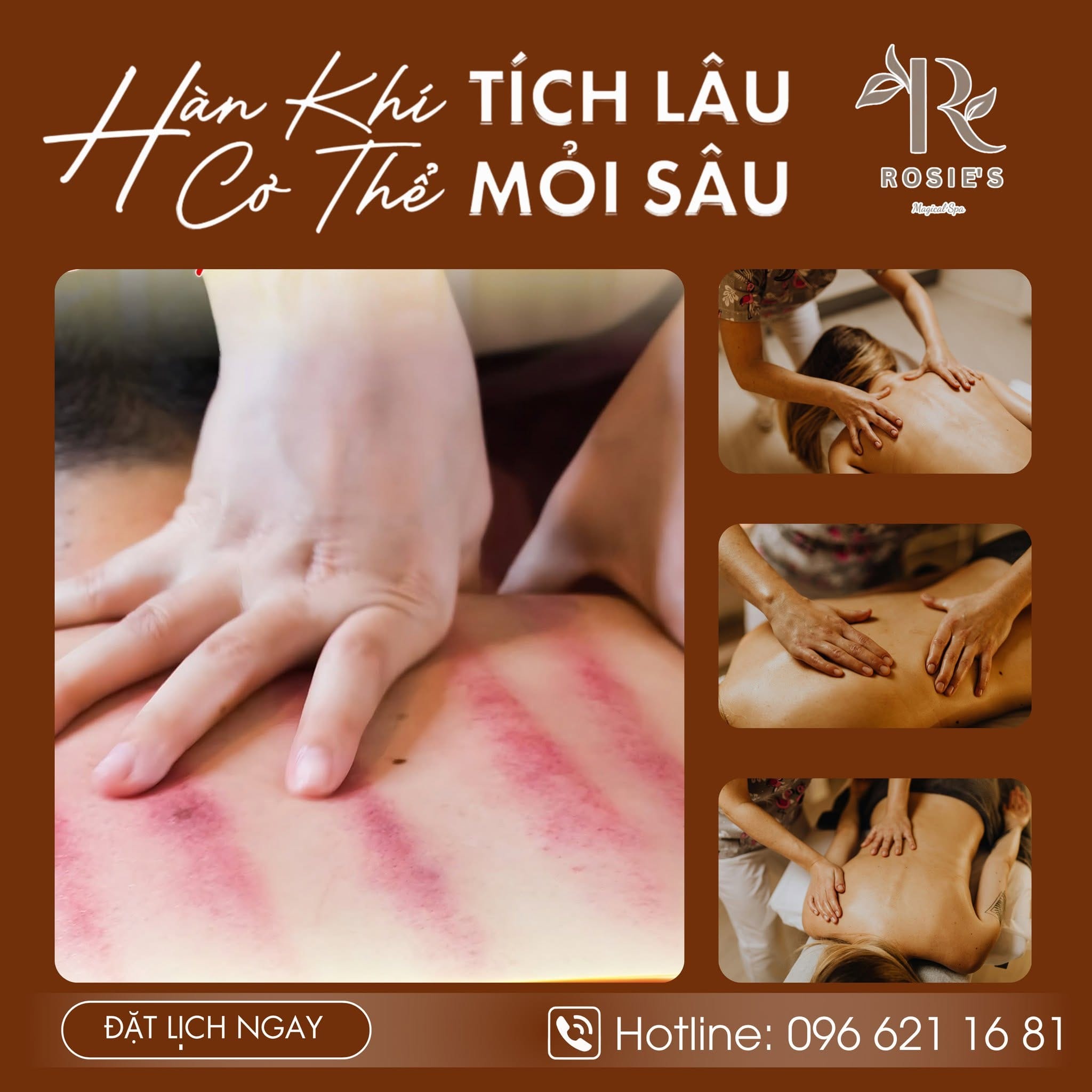
Massage is not simply a series of rubbing and kneading movements designed to help the body relax after a long day. Behind a quality massage treatment lies a combination of factors, including the direction of hand movements, applied pressure, rhythm, and the therapist’s ability to understand the body’s condition. Even a slight mistake in direction or the use of inappropriate pressure can make the massage experience uncomfortable and may even cause unwanted soreness. So, why are proper massage directions and pressure so important? Let’s explore this topic with Rosie’s Magical Spa – Spa in Hanoi to better understand how to care for the body safely and effectively.
What Does Proper Massage Direction Mean?
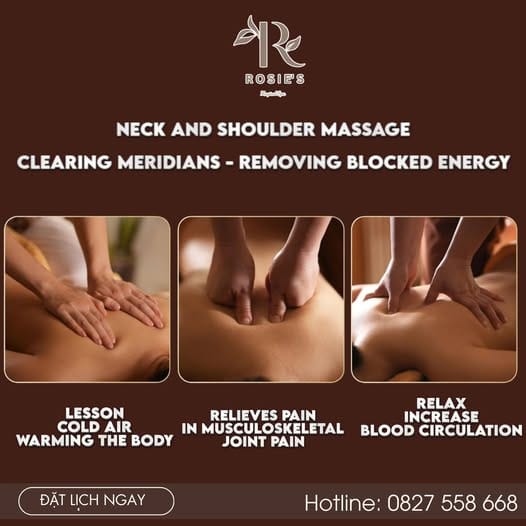
Proper massage direction refers to performing massage movements in a way that is appropriate for the body’s structure, the location of muscle groups, and the purpose of each treatment. Rather than moving their hands randomly, therapists need to identify the areas requiring attention and choose suitable techniques, such as stroking, gliding, or kneading.
Each part of the body has its own anatomical characteristics. For example, the back contains several large muscle groups with different fiber orientations, while the neck and shoulders have sensitive structures that are often affected by prolonged working postures. Therefore, the same massage direction cannot be applied to every area of the body.
+ Massage Movements Should Follow the Appropriate Muscle Groups
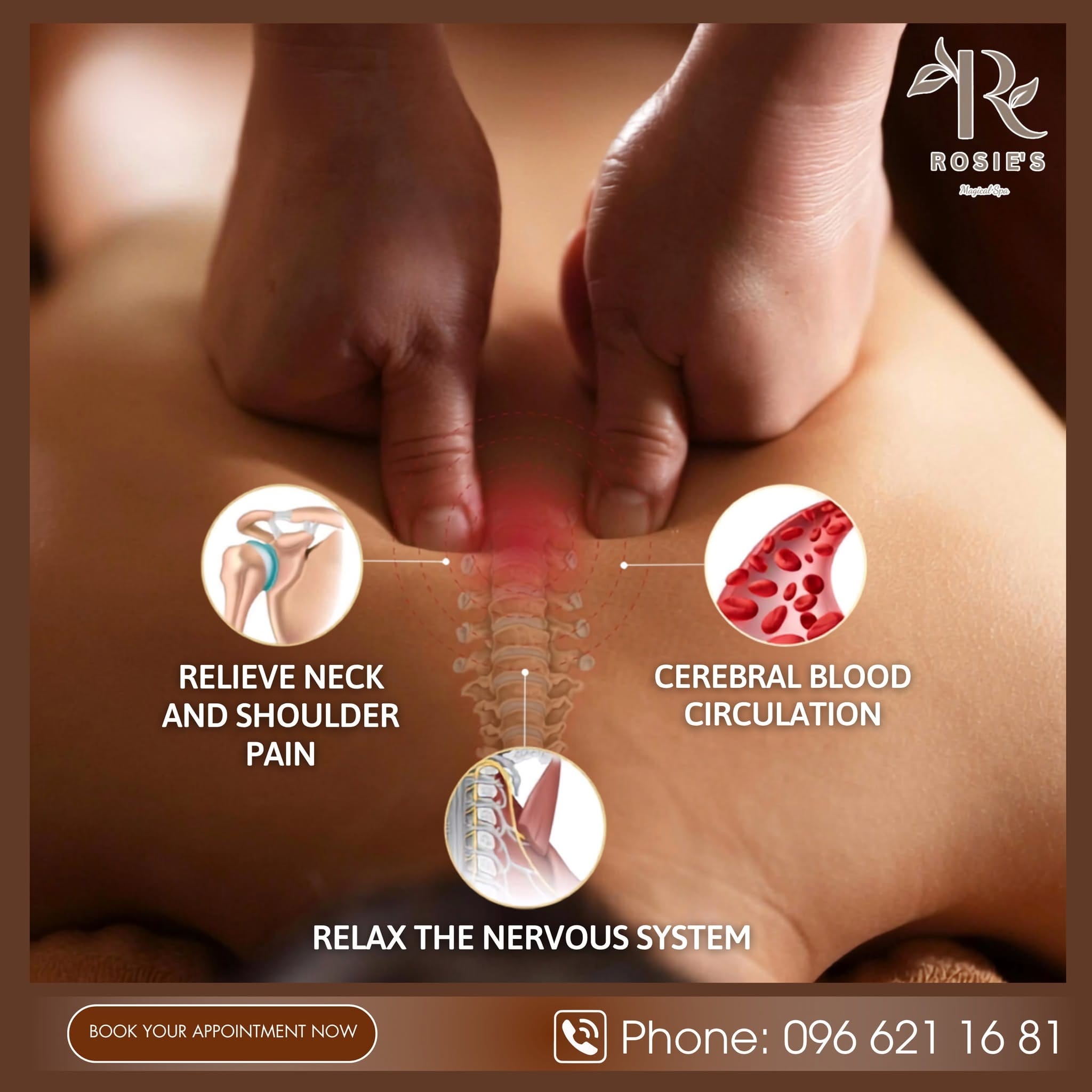
When performing a massage, therapists need to observe and identify the location of muscle groups to select the appropriate techniques. Long strokes along the muscle fibers are commonly used to promote relaxation. Meanwhile, kneading and gliding techniques can be adjusted depending on the specific area and the degree of muscle tension.
For the neck and shoulder area, movements should be performed carefully because this region contains many sensitive structures. Applying pressure to the wrong areas or using uncontrolled force may cause discomfort. Similarly, the back, arms, and legs require suitable techniques rather than relying on a single massage method for the entire body.
Massage Movements Should Follow the Appropriate Muscle Groups
+ Not All Massage Techniques Follow the Same Direction
A common misconception is that massage must always be performed in one fixed direction to be effective. In reality, the direction of movement depends on the technique being used and the intended purpose of the treatment.
Relaxation massage generally focuses on long, gentle, and rhythmic movements. In contrast, massage targeting tense muscle groups may incorporate kneading techniques or focused pressure on specific areas. What matters most is that therapists understand the purpose of each movement and avoid applying techniques randomly.
Why Should Massage Pressure Be Properly Adjusted?
While massage direction determines how the hands move, applied pressure directly influences the client’s physical comfort. A quality massage does not necessarily require strong pressure. On the contrary, using an appropriate level of pressure makes each movement more comfortable and helps meet individual relaxation needs.
+ Excessive Pressure Can Cause Discomfort
When a particular muscle becomes tense, many people assume that applying strong pressure is necessary to relieve soreness quickly. However, excessive pressure can cause the body to respond by contracting its muscles as a protective reaction. Clients may also experience pain, tenderness, or increased sensitivity in the treated area.
Sensitive areas such as the neck, shoulders, spine, and regions containing numerous nerves require particular care. Strong pressure should not be applied directly to bones, joints, or areas experiencing swelling and pain. Massage is not a treatment where more pain means better results.
+ Pressure That Is Too Light May Not Meet Every Client’s Needs
On the other hand, if massage pressure is too light or the movements lack consistency, clients may not experience the level of relaxation they expect. Repeated light touches without a steady rhythm can sometimes make the treatment feel disconnected.
However, this does not mean that every massage session requires stronger pressure. For first-time clients, people with sensitive bodies, or those who simply want gentle relaxation, moderate pressure may be entirely sufficient. Therapists should adjust their techniques based on actual feedback rather than applying the same level of pressure to everyone.
What Are the Benefits of Combining Proper Direction and Pressure?
Massage direction and applied pressure are not independent factors. They need to work together harmoniously to create a treatment that suits the body’s individual characteristics.
+ Helping Relax Tense Muscle Groups
Helping Relax Tense Muscle Groups
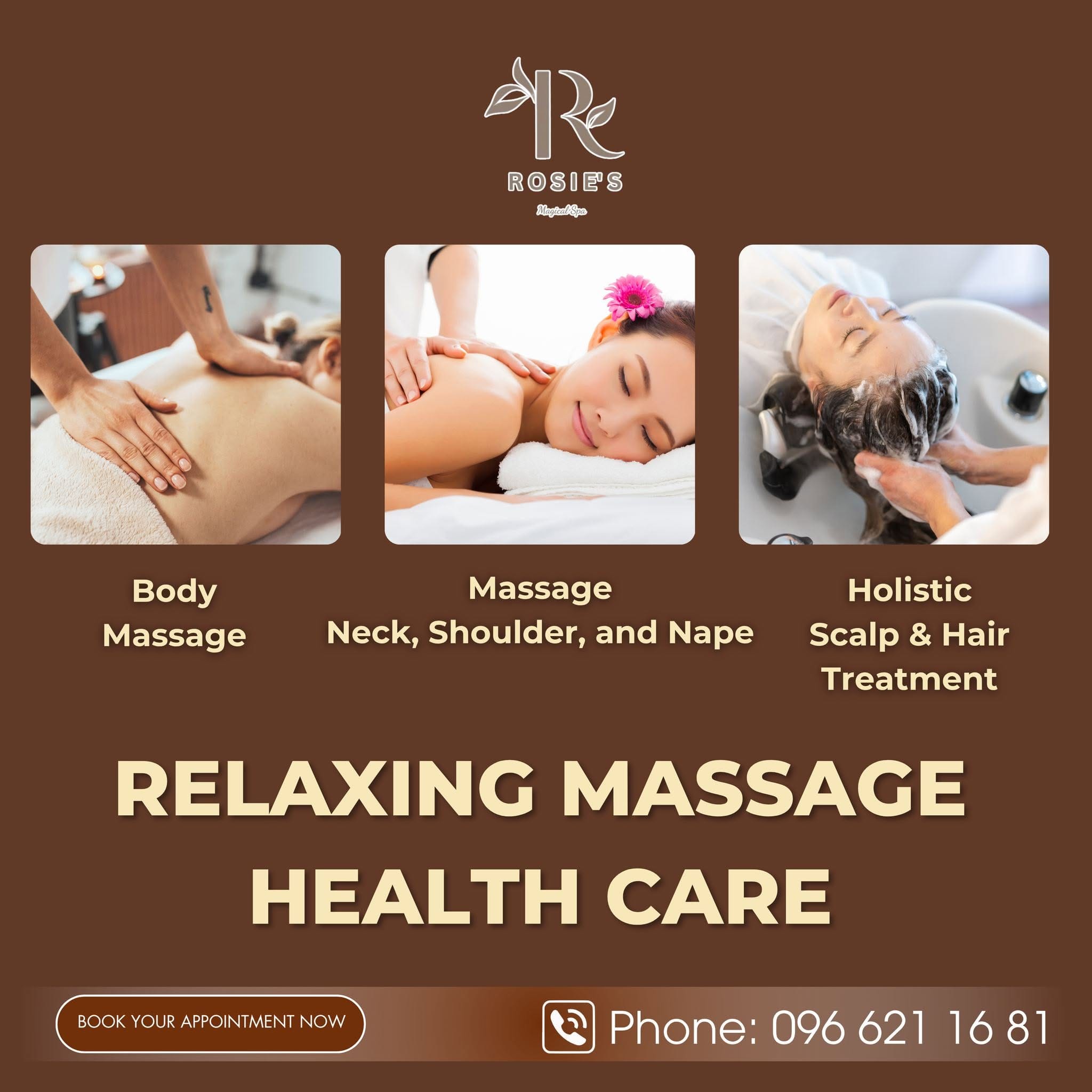
Maintaining the same posture for extended periods, such as sitting in front of a computer or standing continuously at work, can cause certain muscle groups to become tense and tired. When massage techniques are performed correctly with appropriate pressure, they may help ease feelings of tightness and discomfort, making frequently strained areas feel more relaxed.
The neck, shoulders, back, and calves are among the areas commonly addressed during relaxation massage treatments. Instead of applying strong pressure to a single spot, therapists can combine different movements and pressure levels to help the body adapt more comfortably.
+ Creating a Relaxing Experience Throughout the Treatment
A quality massage session is not evaluated solely by technical skills but also by the client’s overall experience. Consistent movements and gradual changes in pressure allow the body to adapt more easily to each technique.
When massage pressure is properly controlled, clients can enjoy a sense of relaxation without having to endure persistent pain or discomfort. This is also why therapists need to pay attention to rhythm, duration, and the transitions between different movements.
+ Reducing the Risk of Unwanted Effects
Improper massage techniques, particularly the use of excessive pressure on sensitive areas, may result in bruising, soreness, or soft tissue injuries. Choosing appropriate directions and pressure levels helps minimize potential risks during treatment.
People with underlying medical conditions, injuries, bleeding disorders, or existing swelling and inflammation should carefully consider whether massage is appropriate for them. In certain cases, clients should consult a healthcare professional before undergoing a massage treatment.
Factors That Determine the Right Massage Pressure for Each Individual
There is no single standard pressure level that works for everyone. The same technique may feel very different to different clients depending on their physical condition, sensitivity, and personal preferences.
+ Physical Condition at the Time of the Massage
People who exercise regularly or participate in sports may experience tension in certain muscle groups. Meanwhile, office workers often deal with neck, shoulder, and back discomfort caused by sitting for extended periods. Each situation needs to be considered individually to determine the most appropriate massage techniques.
If clients are experiencing acute pain, swelling, bruising, or a suspected injury, they should avoid massaging the affected area without proper assessment. Attempting to relieve pain by applying strong pressure may make the condition worse.
+ Personal Pressure Tolerance and Preferences
Some people prefer gentle massage movements, while others are more accustomed to deeper pressure. However, pressure tolerance should not be judged simply by whether a client can endure pain.
Throughout the session, clients should feel comfortable communicating if the pressure is too strong, too light, or causes unusual discomfort. Therapists can then adjust their techniques whenever necessary to ensure a more comfortable experience.
+ The Type of Massage Treatment Selected
Relaxation massage, deep tissue massage, and hot stone massage each have their own techniques and characteristics. Therefore, both the pressure and direction of movement need to be adjusted according to the chosen method.
For example, relaxation massage generally involves gentle, continuous movements. Deep tissue massage may apply greater pressure to certain layers of tissue, but it must be performed carefully and should not cause intense pain. With hot stone massage, temperature and contact duration also need to be monitored to prevent burns or skin irritation.
Rosie’s Magical Spa – Paying Attention to Every Movement to Care for Your Body
Rosie’s Magical Spa – Spa in Hanoi
A satisfying massage experience is not determined solely by a relaxing atmosphere or the pleasant fragrance of essential oils. It also comes from the care and precision behind every movement. Choosing the right direction, controlling pressure, and observing the client’s physical responses are all essential factors in delivering quality massage services.
At Rosie’s Magical Spa, clients are welcome to share their relaxation needs and identify areas of the body that frequently feel tense or tired before beginning their treatment. This information provides a foundation for selecting suitable massage methods and adjusting techniques to create a more personalized experience.
If you are looking for a place to take a break from your busy schedule, dedicate some time to self-care, and enjoy moments of relaxation, visit Rosie’s Magical Spa. Our spa team always strives to provide a gentle, thoughtful, and comfortable massage experience tailored to each client’s needs.
Don’t wait until your body feels completely exhausted before making time to rest. Book your appointment at Rosie’s Magical Spa – Spa in Hanoi today and treat yourself to a well-deserved moment of relaxation and comprehensive body care.
——————–
𝐑𝐨𝐬𝐢𝐞’𝐬 𝐌𝐚𝐠𝐢𝐜𝐚𝐥 𝐒𝐩𝐚
📍 56 Hang Hom Street, Hoan Kiem District, Hanoi, Vietnam
📅 Book now to secure your preferred appointment time.
📲 WhatsApp: +84 96 621 16 81
More related articles

Massage mấy lần một tuần sẽ hợp lý|Massage giá rẻ Hà Nội
Massage không chỉ là một phương pháp thư giãn đơn thuần mà còn là cách chăm sóc sức khỏe toàn diện được nhiều người hiện đại lựa chọn. Trong bối cảnh áp lực công việc và căng thẳng ngày càng gia tăng, nhu cầu tìm đến các dịch vụ massage, từ cao cấp đến massage…
READ MORE
The Ha Giang Loop: A Complete Guide to Asia’s Most Thrilling Road Trip.
Forget the crowded terraces of Sapa or the busy bays of Ha Long. If you are looking for the raw, unfiltered, and heart-stoppingly beautiful soul of Vietnam, you need to head North. Far North. Welcome to Ha Giang, Vietnam’s final frontier for adventurous travelers. Nestled on the border with China, Ha Giang province is a…
READ MORE
Experience Massage at Rosie’s Magical Spa in Hanoi
Some experiences stay with you not because they are particularly luxurious, but because the pleasant feelings linger long after you leave. A massage is much the same. Beyond the massage techniques themselves, the overall experience also depends on how you are welcomed, the surrounding atmosphere, and the comfort you feel in every moment. Rosie’s Magical…
READ MORE